
Cat's Claw (Uña de Gato)
Organic, single-origin Cat's Claw (Uña de Gato) from Peru — bulk, private label and OEM, with lot traceability and lab-backed quality.
Quick facts
Available formats
B2B applications
At AMAZON ANDES we are producers. We are present in more than 40 countries. We supply the finest raw materials from the Andean-Amazonian region of Peru. We hold an active certificate issued by Control Union Peru for USDA-NOP, COR and EU Organic. Our facilities are FDA registered and hold HACCP and GMP quality certifications by NSF. Batch certificates of analysis and samples are available. We are HALAL certified, non-GMO and gluten free.
Cat's claw — uña de gato (Uncaria tomentosa) — is a woody Amazonian vine named for the curved thorns on its stem; the inner bark and root are the parts traded. Amazon Andes exports it in bulk as cut bark, powder and extract, wild-harvested with Amazonian communities under BioTrade Peru principles, with traceability from the harvest zone to the lot.
YOUR TRUSTED CAT’S CLAW SUPPLIER Are you seeking a reliable Cat’s Claw supplier offering premium, sustainably harvested products? At Amazon Andes we produce, supply and export organic Cat’s Claw (Uncaria tomentosa) in powders, capsules, hydroalcoholic extract and raw inner bark. Our Cat’s Claw is harvested from native populations with Amazonian communities in Pucallpa, Peru—protecting biodiversity and supporting local livelihoods.

Sustainable Harvesting Practices: As a CITES-listed vine, Cat’s Claw requires careful management. We remove bark only from stems above 1 m to enable regeneration; all supply is traceable and harvested under national & international permits. Ethical partnerships ensure forest conservation and fair income for indigenous families.


Certifications & Quality Assurance
Certified USDA-NOP, EU, Canada & Japan Organic by Control Union Peru. Manufactured in FDA-registered, HACCP & GMP (NSF) facilities. Full traceability, batch Certificates of Analysis, samples and technical dossiers available.


Origin of Cat’s Claw
Cat’s Claw (Uncaria tomentosa W.) is a vine reaching ~30 m and thriving between 600–1,000 m a.s.l. in the Amazon. Bark is traditionally removed from cut stems above one meter so the plant can regenerate. Recognised at the 1st International Congress on this species (WHO-sponsored) as the most important Peruvian medicinal rediscovery since quinine, Cat’s Claw was long used by the Yánesha and Asháninka peoples; its broader medicinal use dates back only 30–40 years. Scientifically described in 1830, it saw systematic studies from the 1950s (Arturo Brell), which propelled global interest and validation as a “healing plant”.
Traditional Use of Cat’s Claw
The inner bark is prepared as a tea; today it is also offered as powders, capsules, fluid extracts, tea bags and bulk root/bark. Traditionally used for inflammatory conditions (arthritis), digestive cleansing and oncology support; also for dysentery, postpartum recovery, hormone imbalance, kidney issues, fever, ulcers, wounds, hypertension and as a respiratory stimulant. In Trinidad & Tobago leaves are used for hypertension; in the Peruvian Amazon leaves and root bark serve as antispasmodic, sedative and antidiabetic agents.
Comprehensive Benefits of Cat’s Claw
Alkaloids (isomitraphylline, pteropodine) increase phagocytic activity of neutrophils and macrophages and stimulate lymphokines. Monocytes in active phases can rise up to 50% after one week. Useful support cited in cancer, AIDS, systemic candidiasis, herpes and Kaposi’s sarcoma. Thanks to quinovic glycosides—reported 15% higher than indomethacin—useful in rheumatoid arthritis, bursitis, rheumatism, lupus and fibromyalgia. Support in inflammatory and febrile states, in cancer settings and under ionising radiation exposure. Isorhynchophylline inhibits DNA polymerase-α; reduces mitoses of H.L. cells while sparing normal fibroblasts; explored as support to avoid metastasis. Especially against enveloped RNA viruses (HIV), genital herpes and herpes zoster; also cited for colds, sinusitis, otitis and vesicular stomatitis virus. Traditional use when conventional treatments fail: Crohn’s, diverticulitis, colitis, haemorrhoids, fistulas, gastritis, ulcers, intestinal parasites, microbiota changes, anal drip. Utility noted in neurobronchitis and lupus. Used traditionally in chronic fatigue, organic depression and acne contexts. Decoctions cited as anaphrodisiac for men; tinctures (not exposed to high maceration temperature) may be mildly aphrodisiac; traditional cycle regulator for women. Rhynchophylline reported to help prevent stroke, hypertension, arteriosclerosis, thrombosis and thrombophlebitis.
Private Label & OEM Services
- Custom branding for powders, capsules, extracts and tea-cuts.
- Turnkey OEM: formulation, encapsulation/tableting, labelling, export compliance.
- Low-MOQ pilots for market validation; stability data and regulatory dossiers on request.
Side Effects & Contraindications
May cause mild sedation or drowsiness. Caution with arterial hypotension; avoid combining with antihypertensives without medical supervision. Avoid during pregnancy. Very high doses could cause nausea or vomiting.
Partner with Amazon Andes
Source ethically harvested, fully traceable Cat’s Claw directly from origin. Contact us for wholesale pricing, samples, private label or OEM collaboration.
Frequently asked questions
Who is a reliable cat's claw supplier in bulk?
What is cat's claw and which part is used?
Is your cat's claw wild-harvested or cultivated?
What specifications can you meet?
What documents and Incoterms apply?
Certifications & documentation
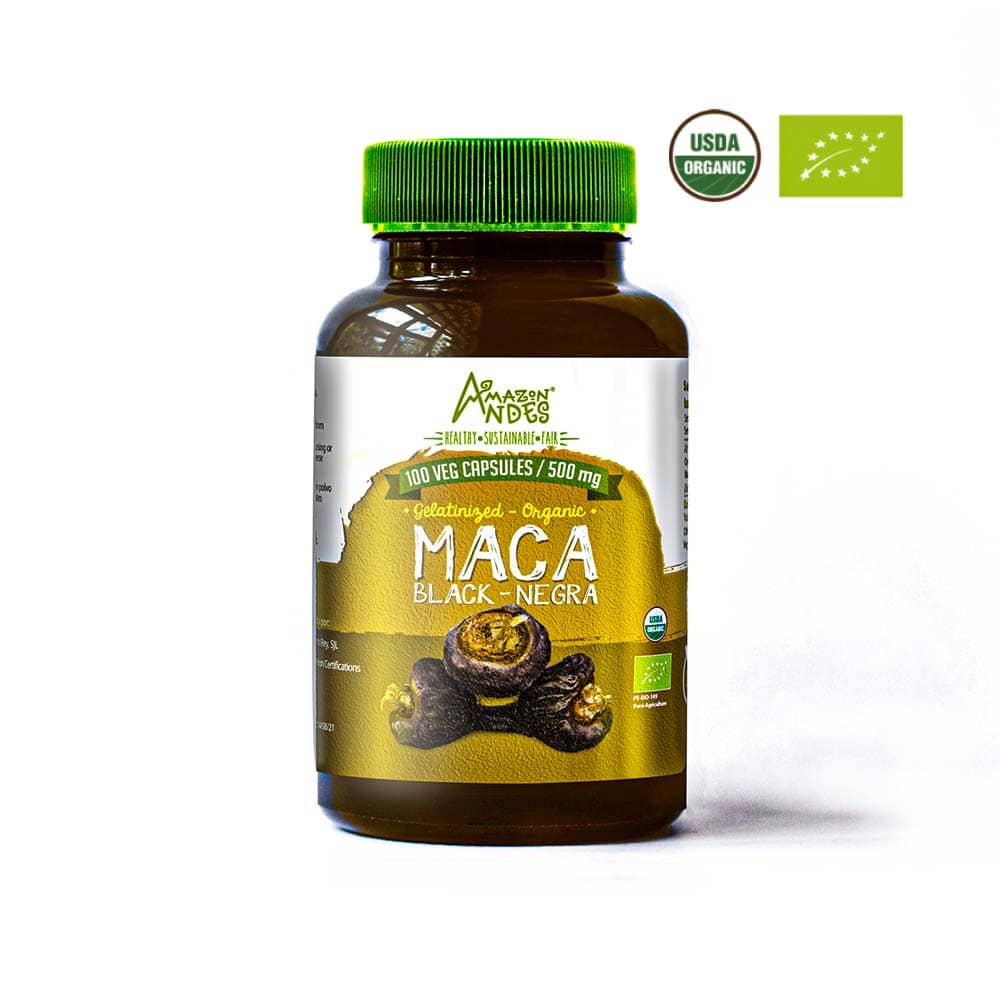
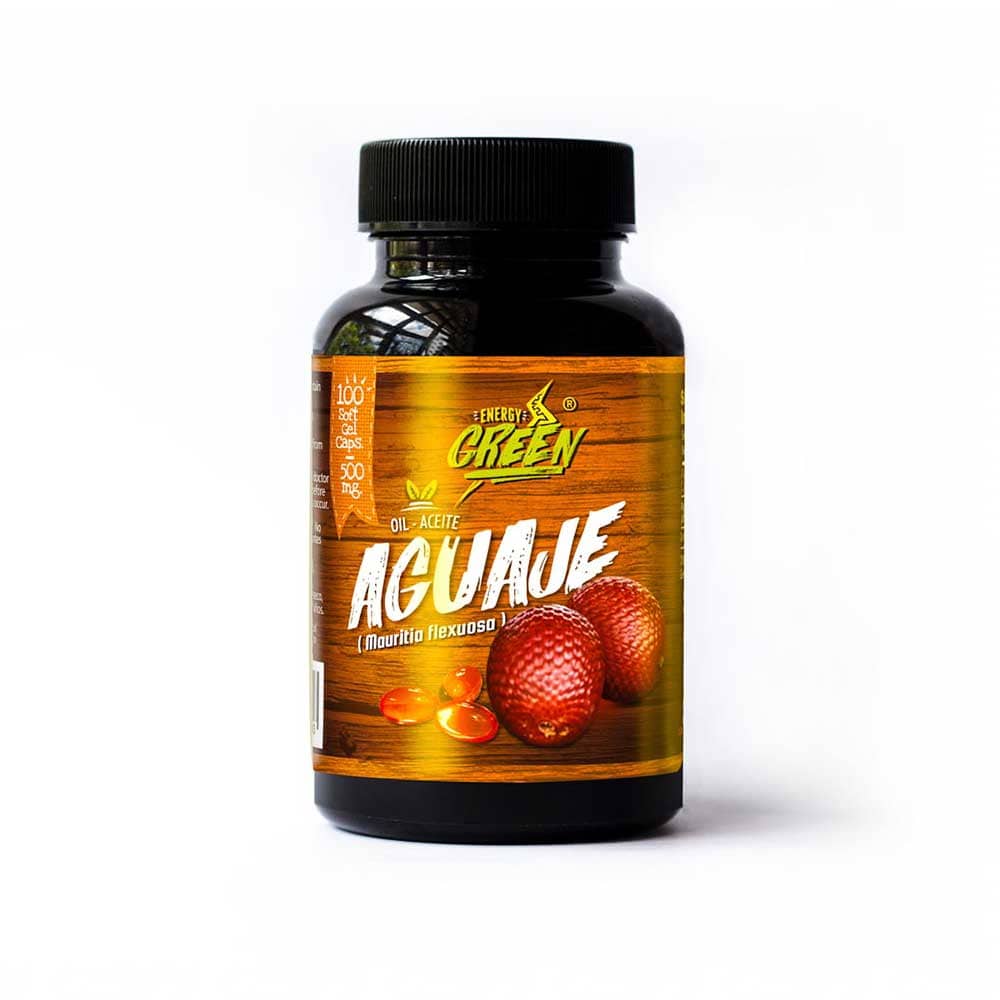
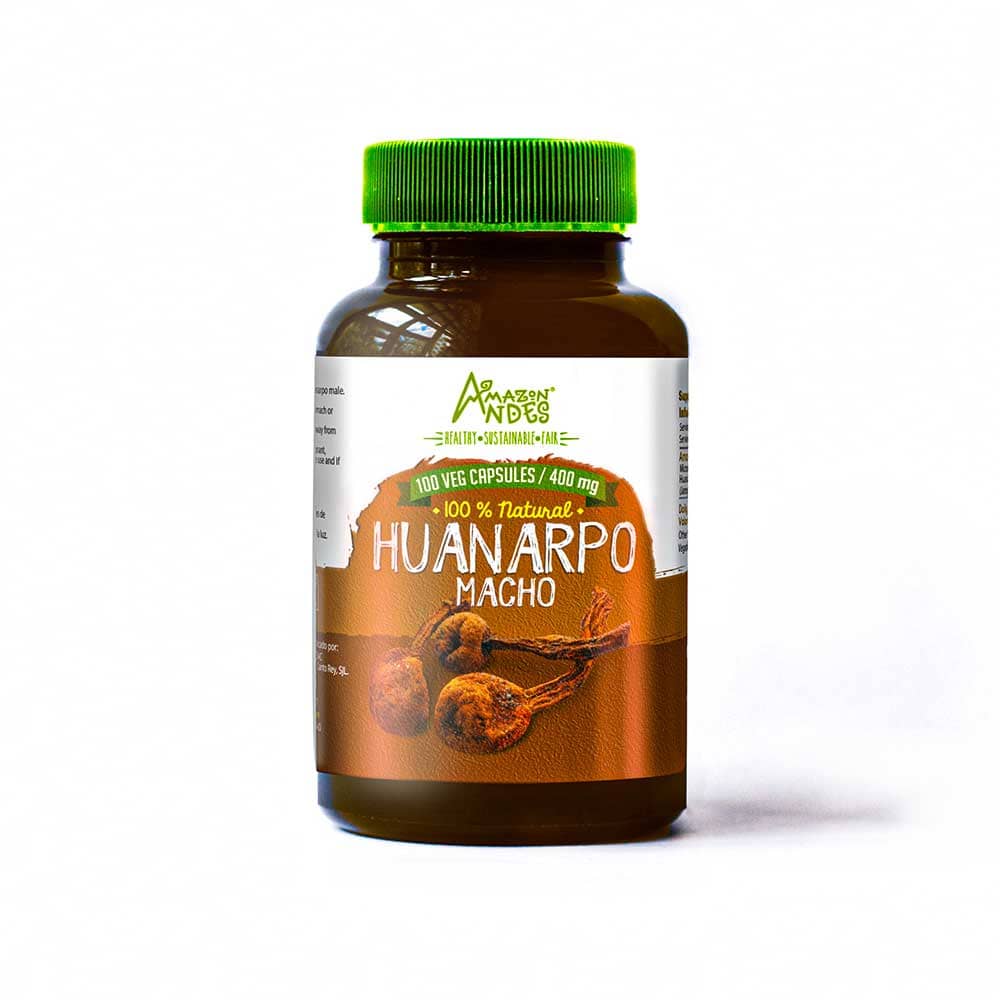
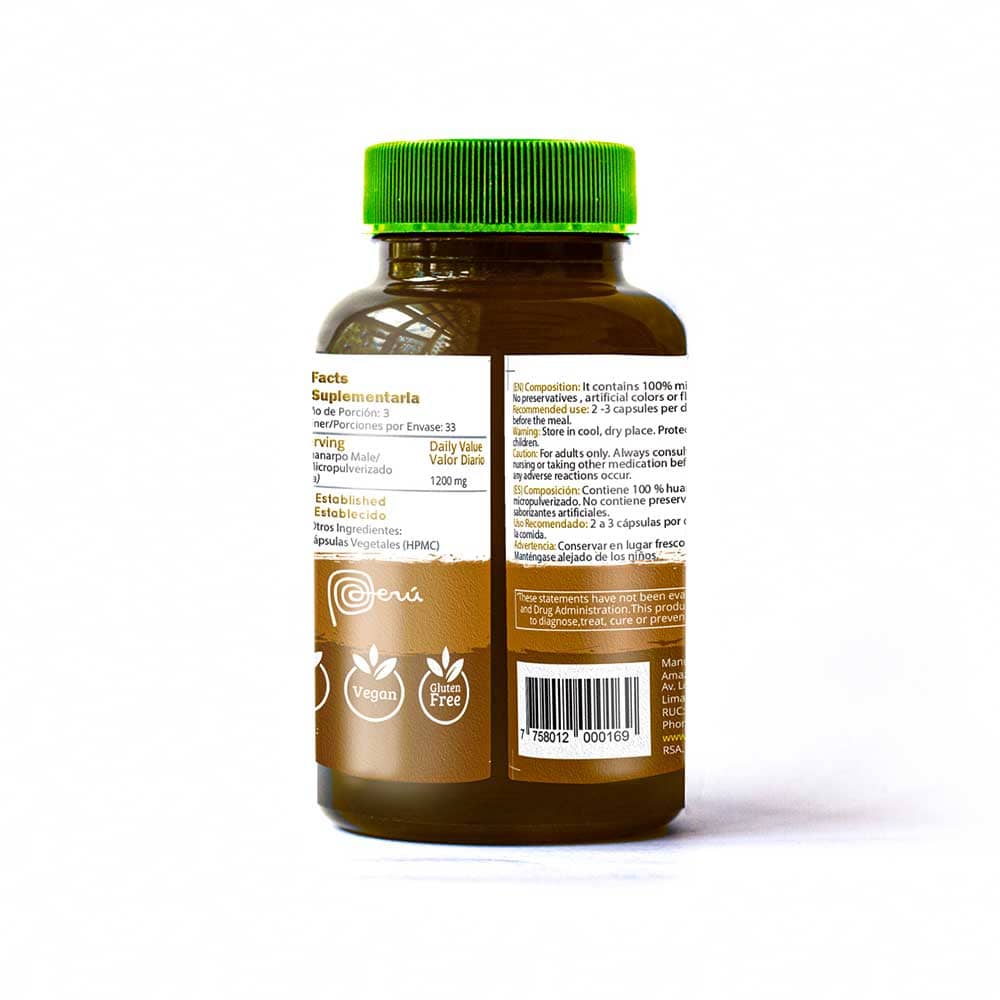
Related raw materials

Let's build your supply.
Tell us the format and volume — we'll send pricing, specs and lead times within one business day.